


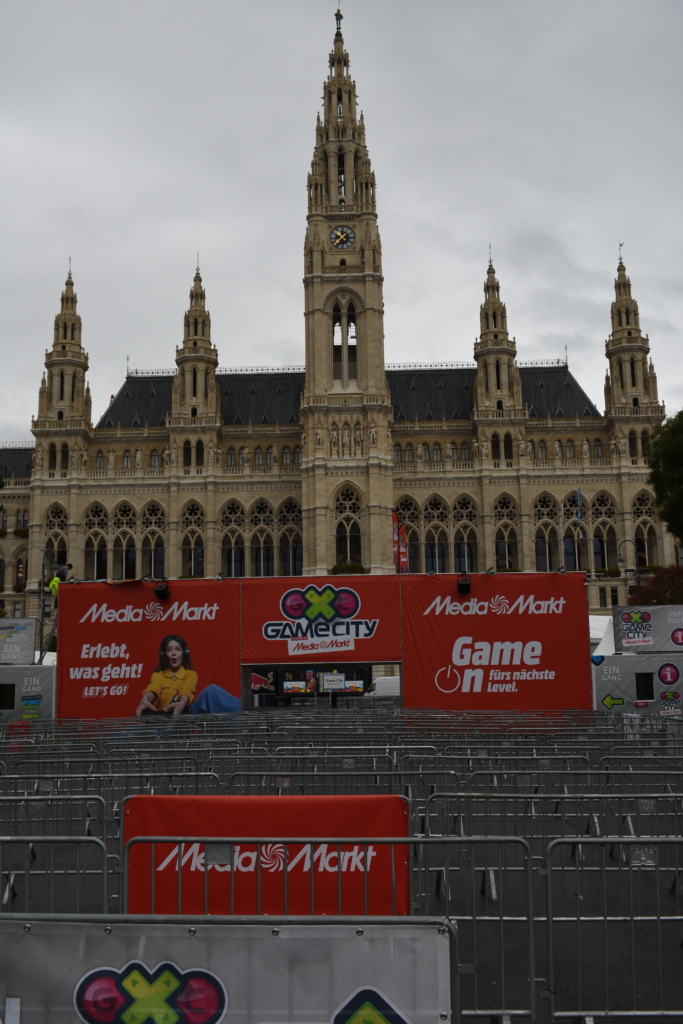
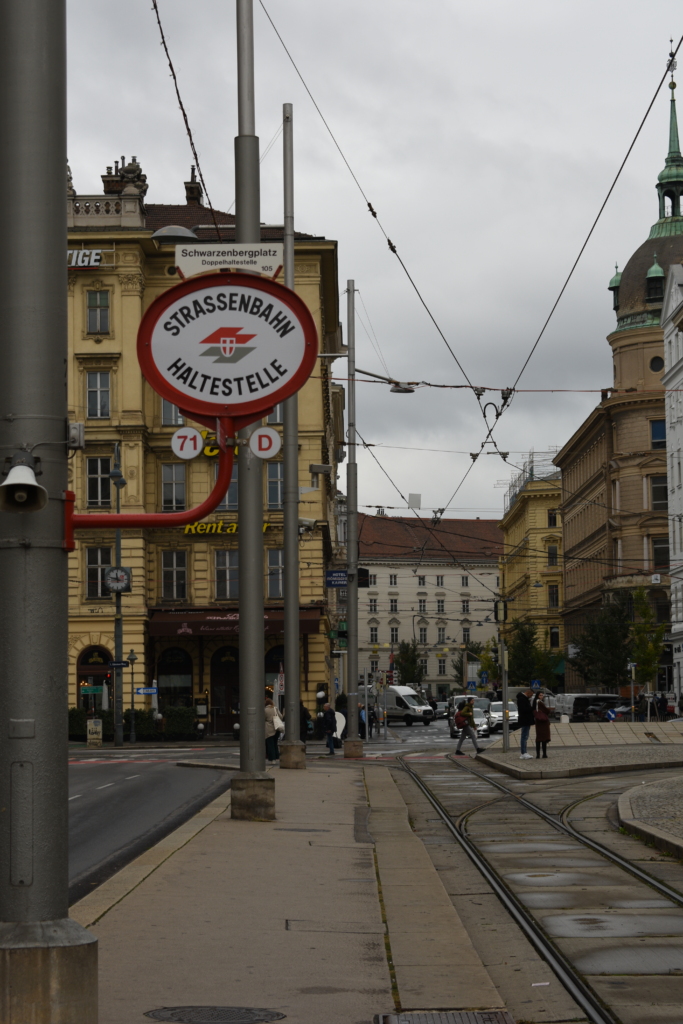
After arriving in Vienna and settling into our apartment, we still had time for a short walk between Ottakring and Schönbrunn.
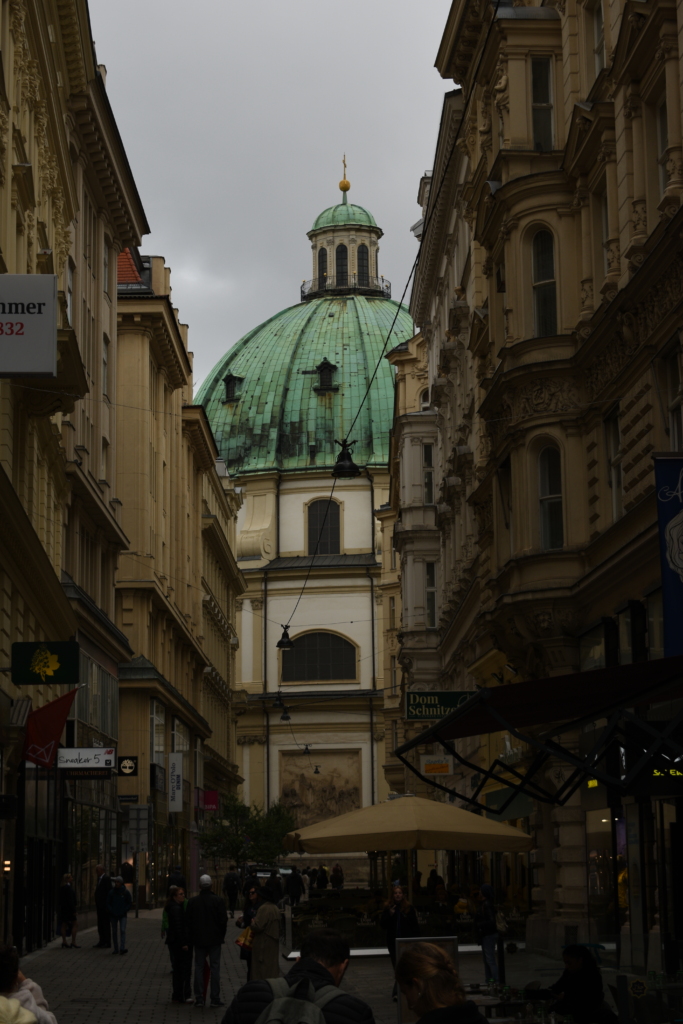
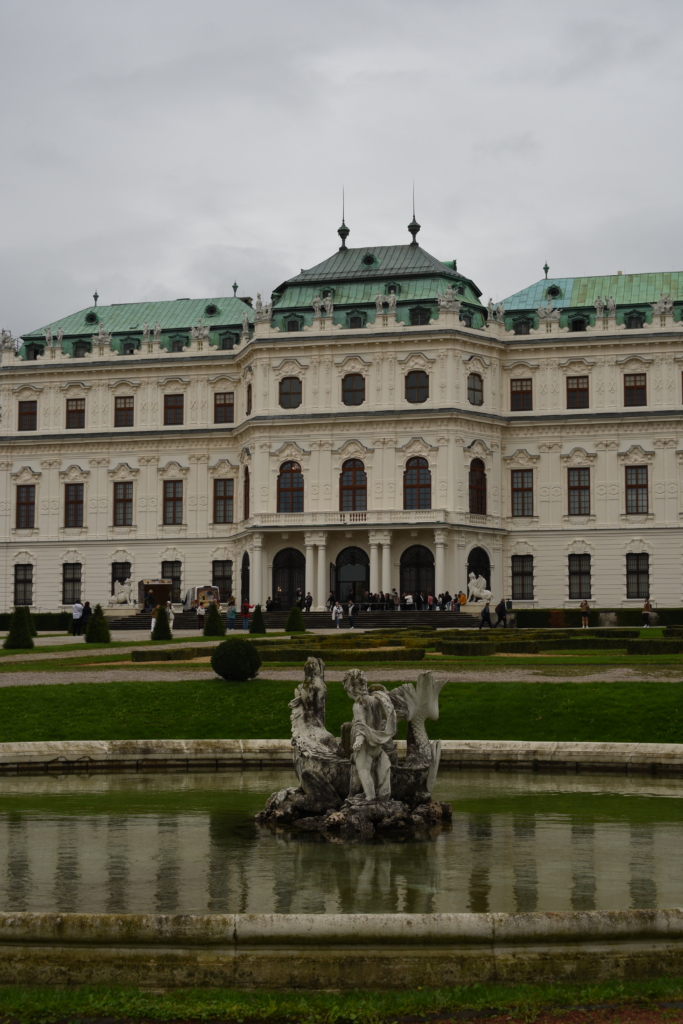
The following day, around midday, we had arranged to meet Lara from the Municipal Directorate (Magistratsdirektion der Stadt Wien). On our way there, we took the chance to stroll through Vienna’s historic center and visit the Belvedere Palace. Lara greeted us with great warmth — before we even had time to make sure we were in the right part of the building, a door opened and we were kindly invited in.
She gave us an insightful presentation about Vienna and its World Heritage sites: the historic city center, which is managed by the municipality, and Schönbrunn Palace with its park, which fall under state administration. Unfortunately, the historic center has been on UNESCO’s List of World Heritage in Danger since 2017, as new construction projects – such as a planned high-rise at Heumarkt and various attic conversions – threaten its historic character. Nevertheless, efforts are being made to develop solutions that will preserve the site’s status in close cooperation with UNESCO.
Have you ever heard of a Grätzl? Lara told us more about this uniquely Viennese concept and what makes it so special: In Vienna, a Grätzl refers to one of the city’s distinctive small neighborhoods, each with its own unique charm and strong sense of local community.
Each Grätzl is so distinctive that you can even take a personality quiz to discover which one suits you best!
Before we said our goodbyes, we asked for a recommendation for a good Wiener Schnitzel – which we eventually enjoyed at Café Eiles. A great tip for anyone who’d rather skip the long lines in front of trendy cafés! Alongside good food and a cozy atmosphere, it becomes clear – at the latest here – that Vienna does not live up to its reputation as an unfriendly city!
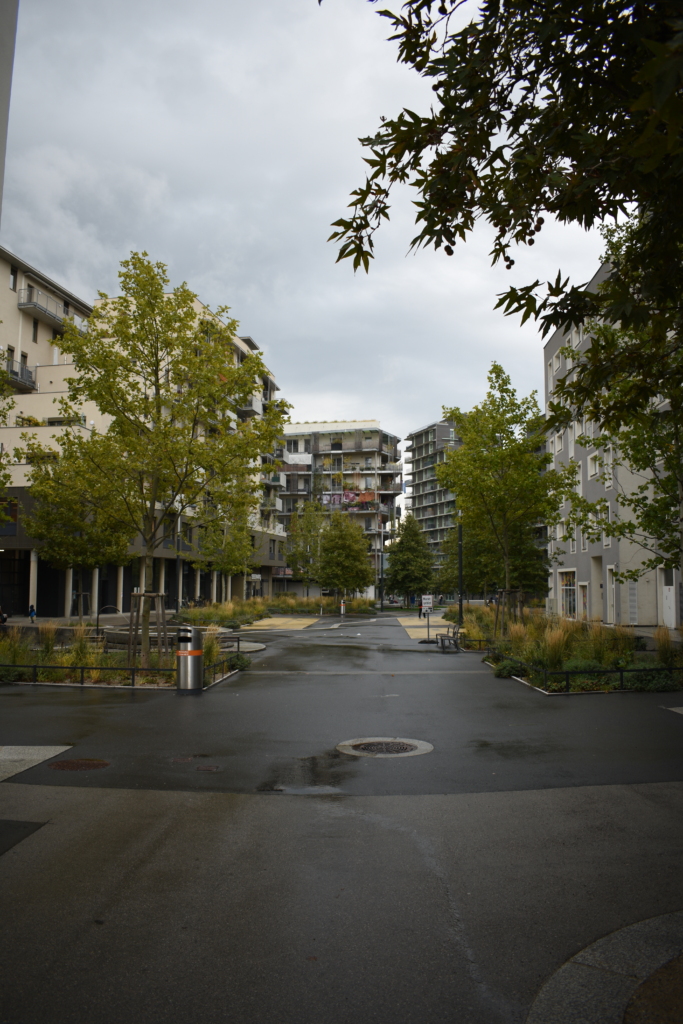
Even though it is not part of the UNESCO World Heritage, we really wanted to visit the urban development area of Seestadt. It is located outside of Vienna, far from the tourist crowds, and most likely only people interested in architecture and urban planning find their way here.
At the end of subway line U2, housing for around 25,000 people is being built here in several construction phases. Like slices of a cake, the neighborhoods are gradually being developed around an artificial lake (which, by the way, is full of fish). The idea is to learn from each completed section of Seestadt and apply those insights to the next. From the first neighborhood, for example, one of the key takeaways was, that the city needs even more green spaces.
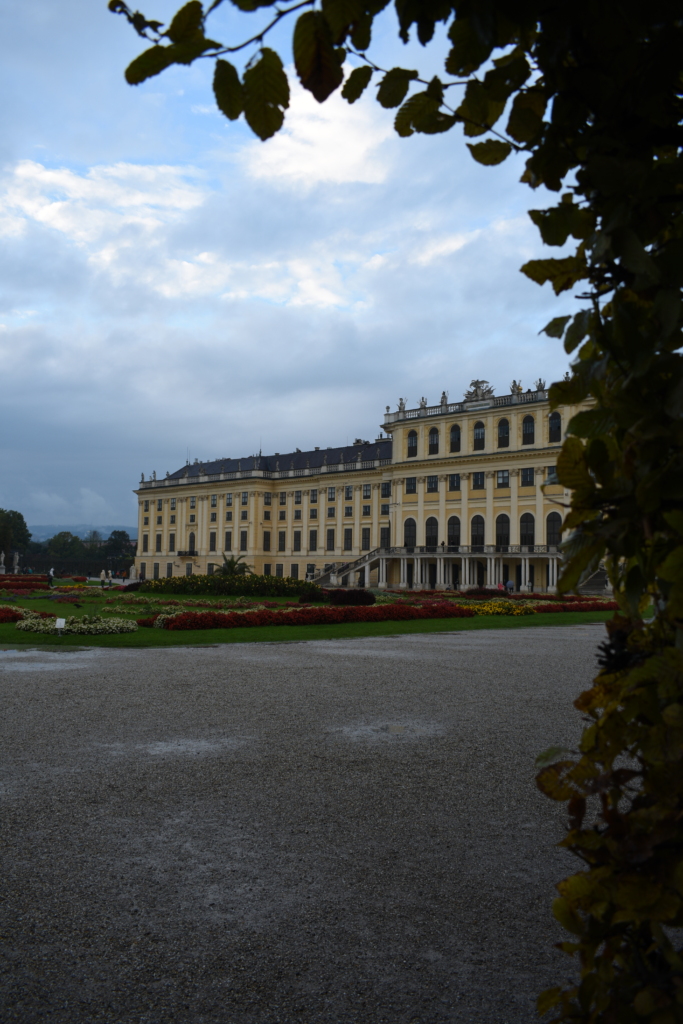
We ended the evening with a leisurely walk around Schönbrunn Palace, just a short distance from our apartment.
Next Stop: Regensburg.