


Written by Leonie
In Escaping the Sun, Leonie (28) and Jan-Gottfried (27) seek to find out how shade has historically been organised as a collective resource, and how third places allow young people to gather freely in the city.
Living with and managing type 1 diabetes since childhood, they bring a personal as well as an academic stake to the question of who public spaces are actually designed for. Together they embark on a journey to Ohrid, Kotor, Mostar and Split to ask people: Got shade?
Arriving in North Macedonia
We, Leonie and Jan-Gottfried, both have diabetes: Leonie since she was 6 and Jan-Gottfried since he was 8 years old. So one can imagine that both of us have already travelled quite a bit while managing a chronic illness. Nonetheless, it is still a lot of work and requires consideration for each other and for the illness. Low blood sugars can be quite dangerous, and high blood sugars affect your health in the long term and quite often your mood and, overall, the relationship one has with one’s body. So let’s get into it!
Travelling with diabetes means getting the sunflower lanyard at BER first and coffee later. Easier said than done at 4 am. Driven by excitement and anticipation, we managed to get our extra medical luggage through security. Thanks to EU regulations, people travelling with disabilities can carry an extra bag for their supplies. Since we both have to carry our medication and supplies to manage our type 1 diabetes mellitus for the next two weeks, the supplies can add up in space, even more so since you are advised to pack double when on holiday. Imagine your medical supplies getting lost or arriving in a different country. Yikes. Most of the time, you have to dig through the airline’s website to find the right number to register your additional bag. It’s your right, but some staff at BER still get annoyed if you communicate your required special procedure.
Note: Never apologise if your chronic condition is a five-minute inconvenience for someone.
After a short stopover in Vienna, we arrived at 12 pm at Ohrid St Paul the Apostle Airport. Ohrid St Paul the Apostle Airport is a small, pleasant airport with short distances. A tip: after security, put your ID right back into the designated container or bag. We had been in North Macedonia for less than half an hour when Jan-Gottfried’s ID slipped out of his trouser pocket as he took out his mobile phone. When we realised the ID was missing, we emptied and searched through all our luggage at our accommodation. Panic set in. Since we couldn’t reach anyone at the airport or the police station, and the driver hadn’t found it in the car either, we had no choice but to go and get something to eat for the time being.
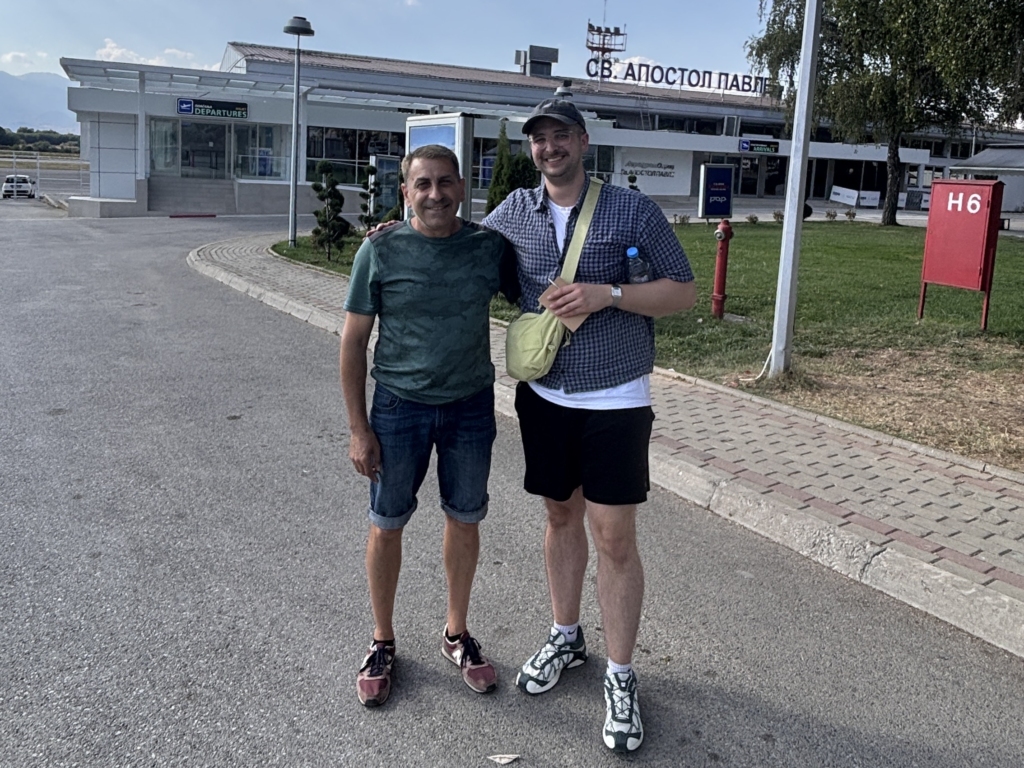
Note: We found that in Ohrid someone always knows someone who works at the airport.
With the help of a waiter named Daniel, we learned that the ID card had been handed in right at the airport. Daniel also immediately arranged a driver called Nomche, who drove us back to the airport and then back again. Nomche’s family has lived in Ohrid for over 300 years, and when asked what he loves most about Ohrid, he naturally said Lake Ohrid. He dropped us off close to his home at the ancient theatre, which was built around 200 BC. It is fully accessible to walk around, and during the Ohrid Summer Festival from July until August it is still used as a theatre. Of the historic theatre, only a small part from the Hellenistic period remains at the bottom. After visiting the theatre, we were simply exhausted and truly relieved that Jan-Gottfried had his ID back. So we bought some food, went back to our accommodation and then went swimming.
Churches upon Churches
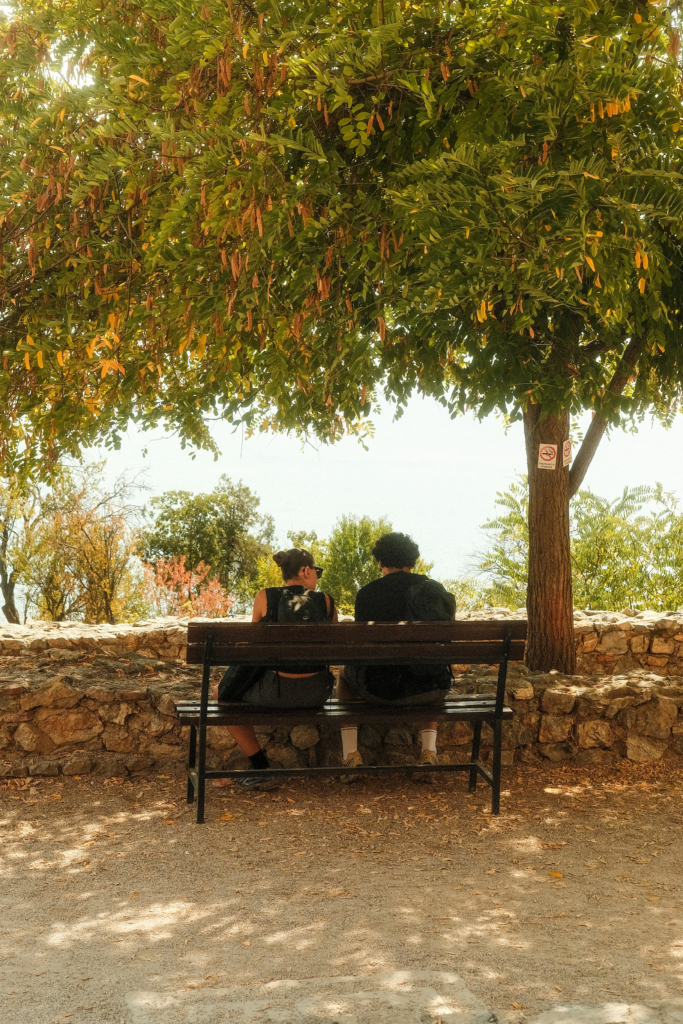
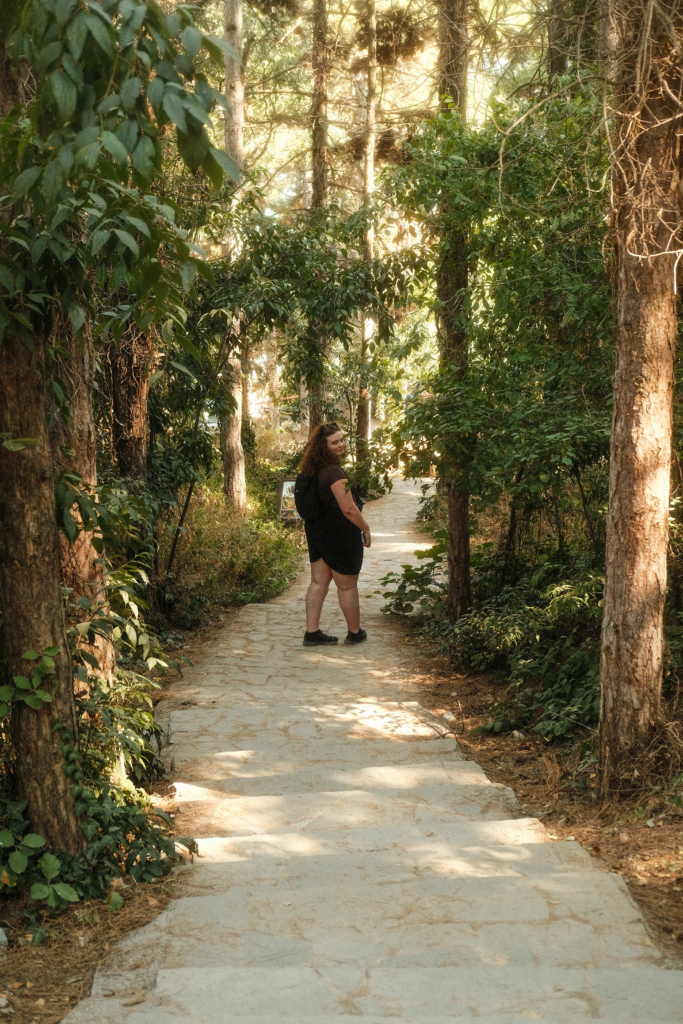
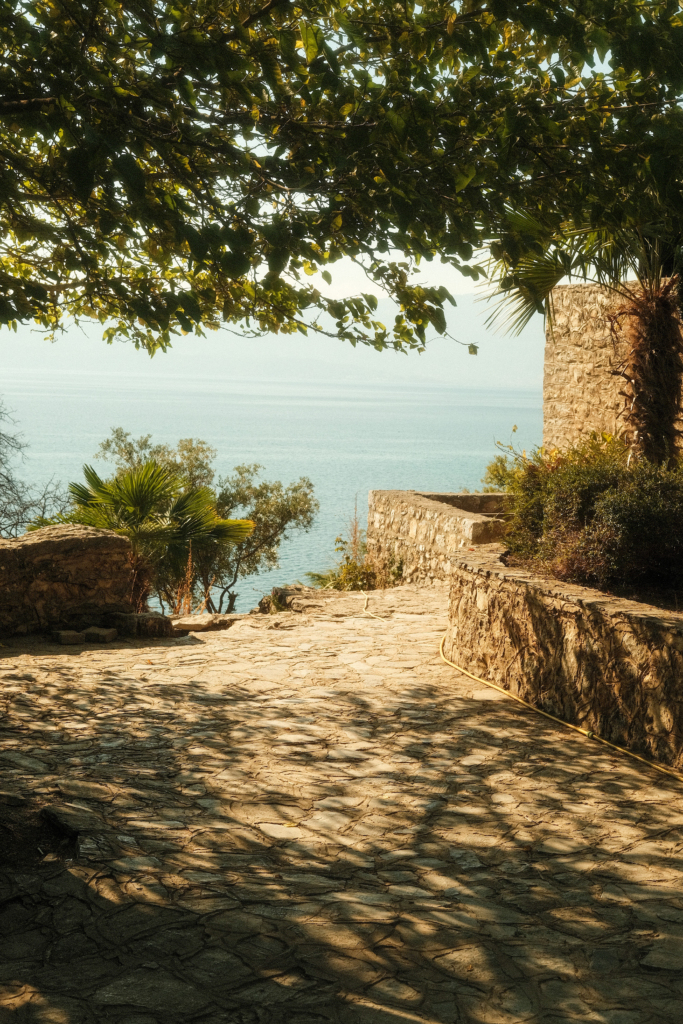
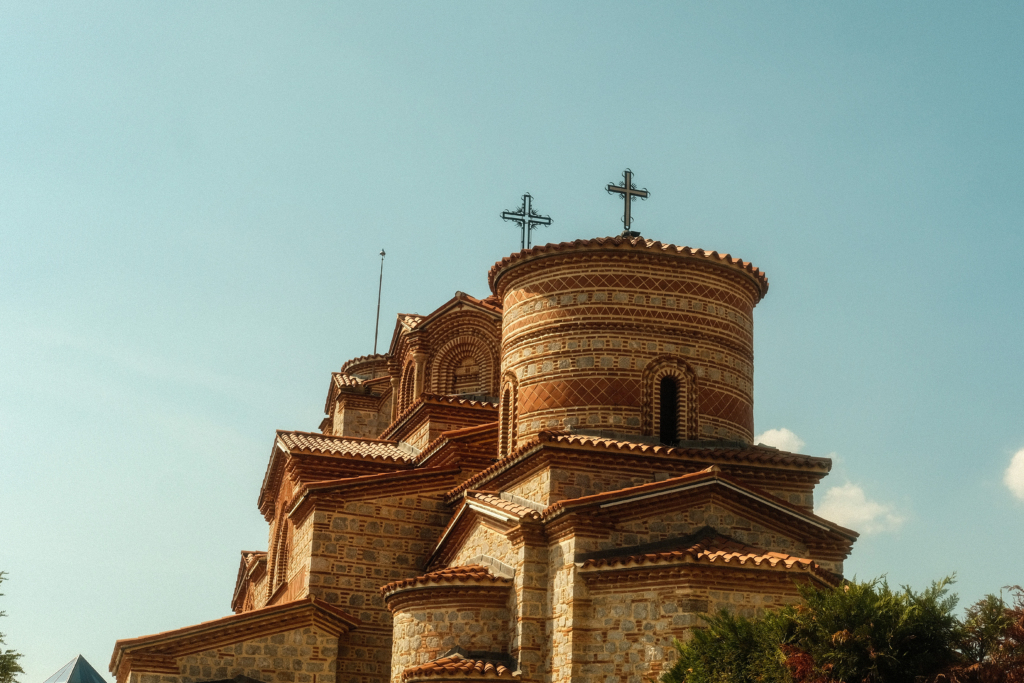
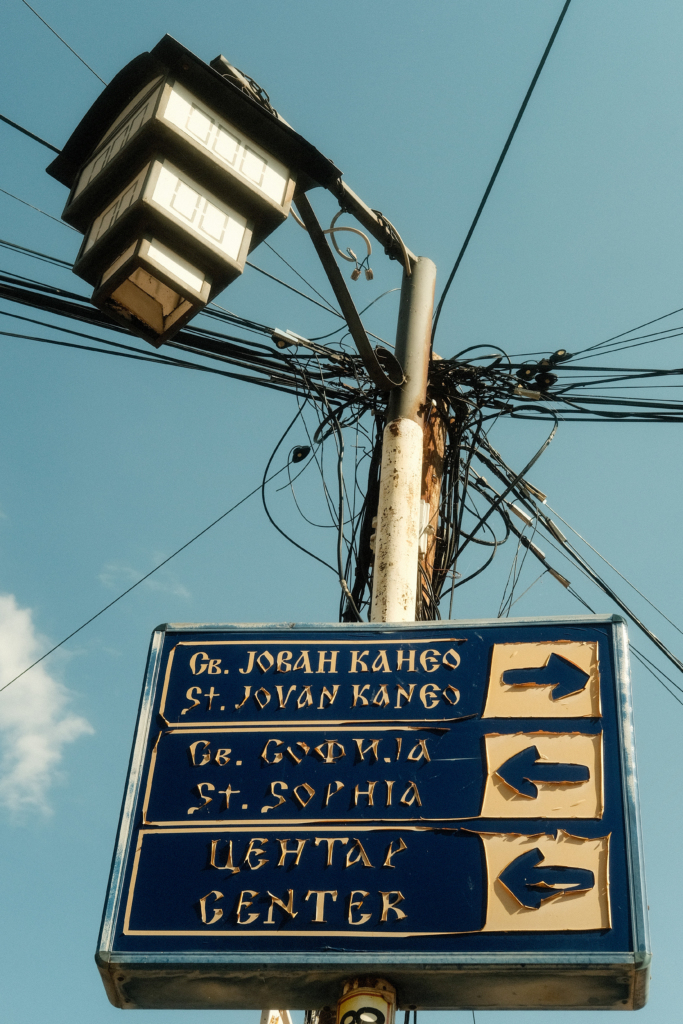
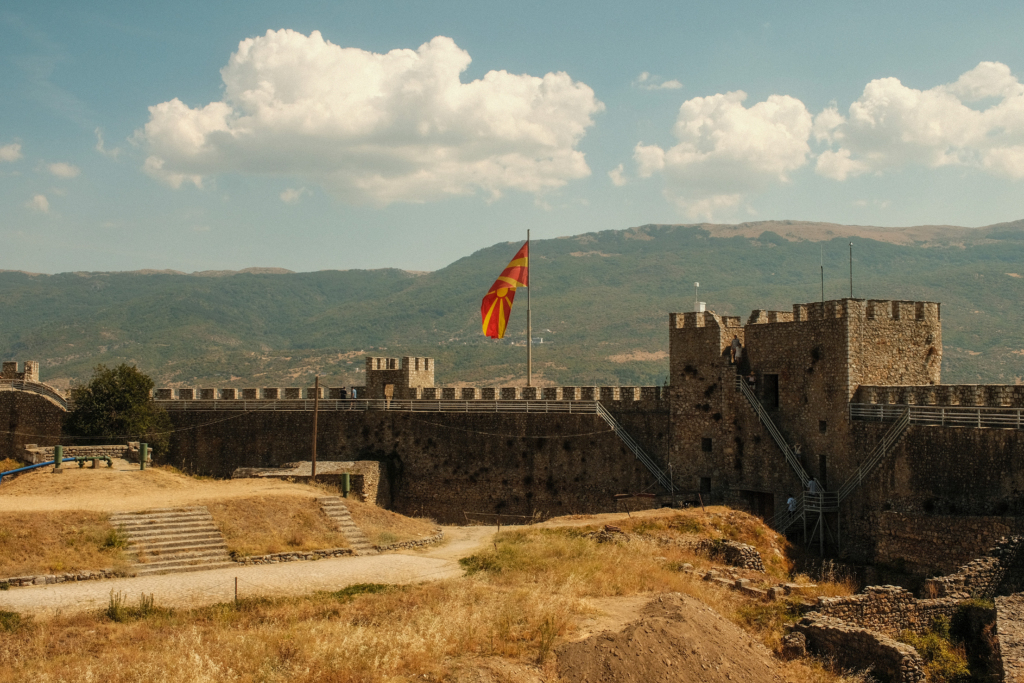
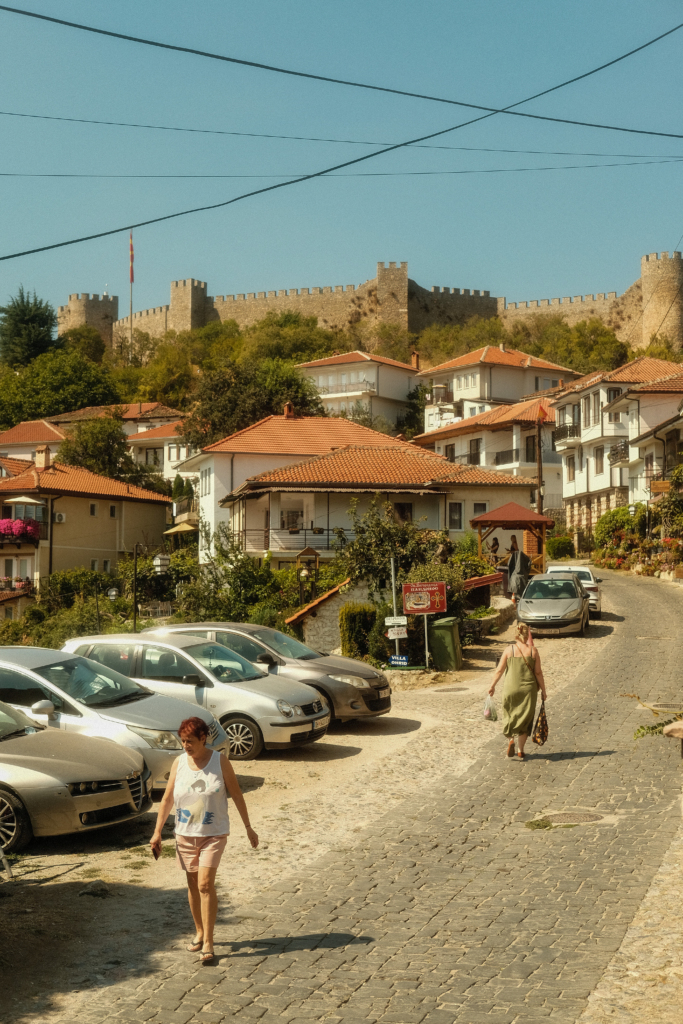
The next day we visited Samuel’s Fortress, which was built around 900 AD on top of an even older fortification. After a major restoration in 2003, one can walk through the ruins and along the top of the fortress walls. You get phenomenal views of the lake and the city, but almost no shade. You can cool down on a short walk through a little grove full of pines as you make your way from the fortress to St Clement’s Church, where the ruins of the even older St Clement’s Church are still visible and open to visit. From there, we could hike directly to the Church of St John at Kaneo, which is situated right on a cliff with a phenomenal view of the lake.
We took breaks in the shade every so often, which was provided by trees or stone fences along the way. So we walked in the sun a lot and always met other visitors who were also catching their breath after walking in the sun. Then we carried on through a neighbourhood beside a bathing area and back to our accommodation.
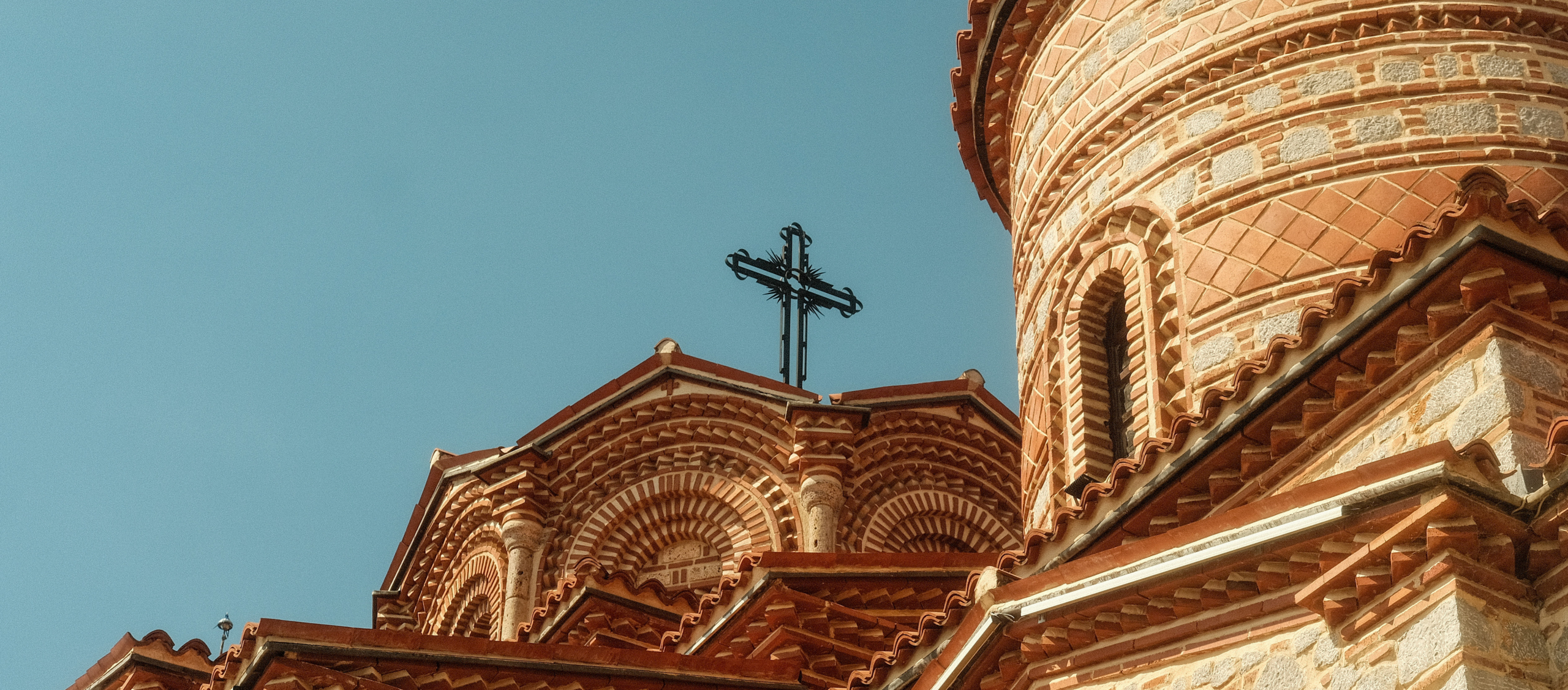
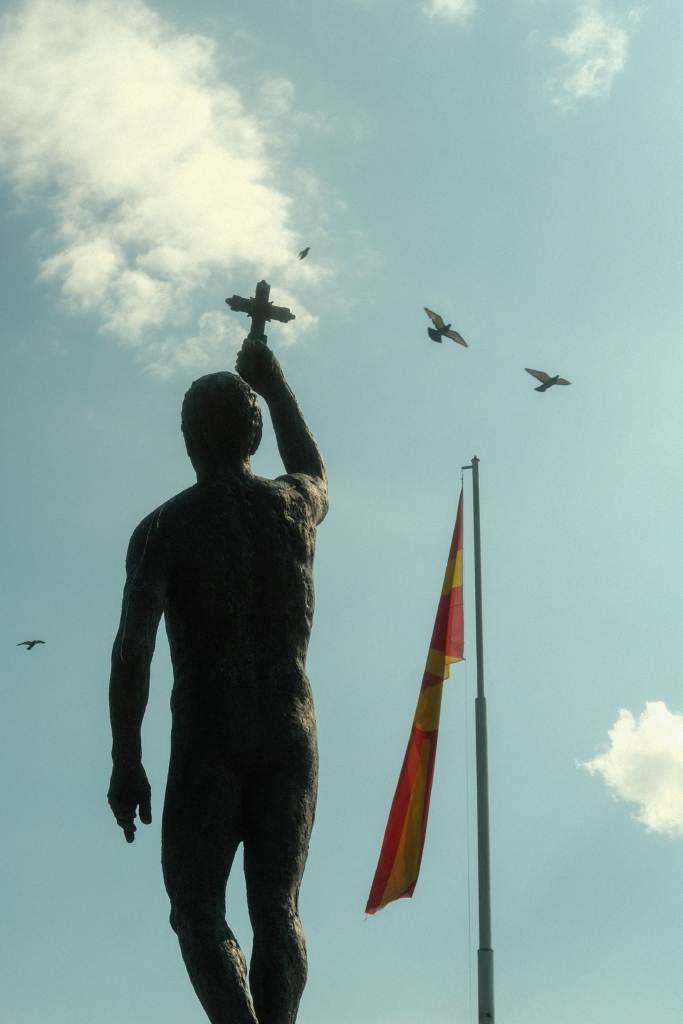
Of course, right beside our accommodation there is a church as well: St Sofia Church, to be exact. According to Nomche, Ohrid’s population is mostly Orthodox (and other Christians) at 80% and Muslim at 20%. The city counts 365 churches, hence the title: one for every day of the year. We also found out that locals mostly don’t have a fixed place of worship and tend to move between different churches. So basically, everywhere you go, you can’t escape God. There are also plenty of mosques that one can visit, the oldest being the Haydar Pasha Mosque, which dates back to Ottoman rule.
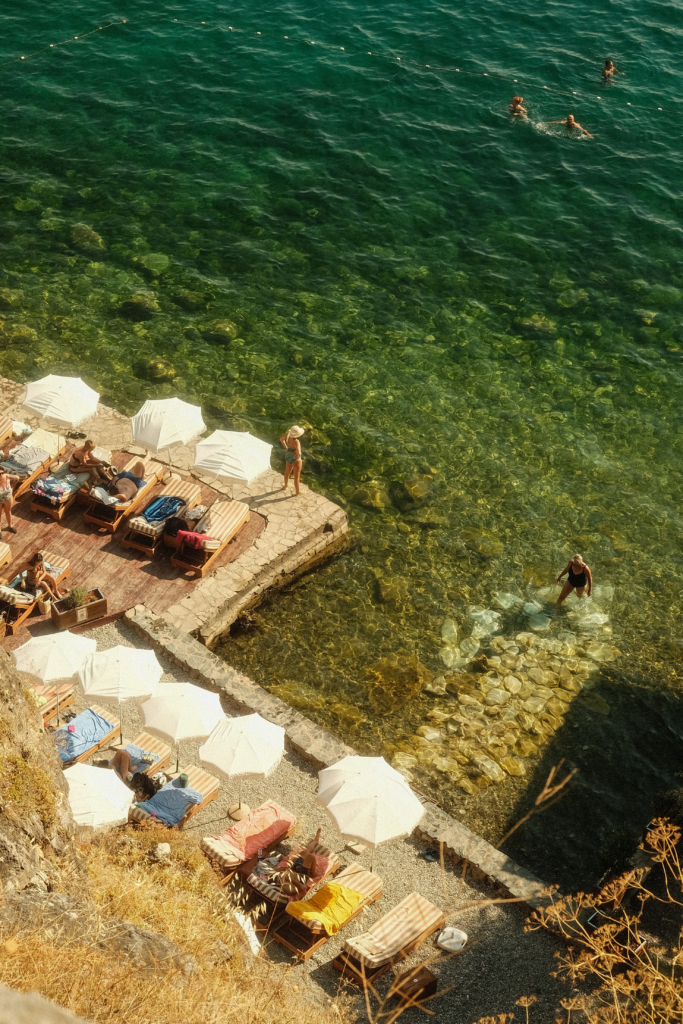
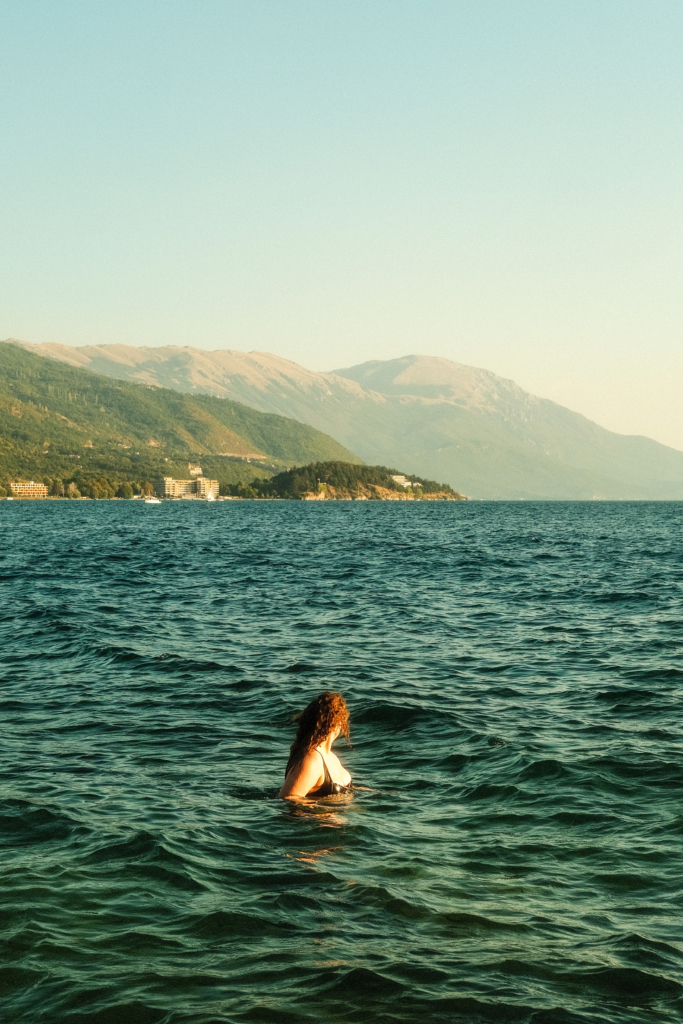
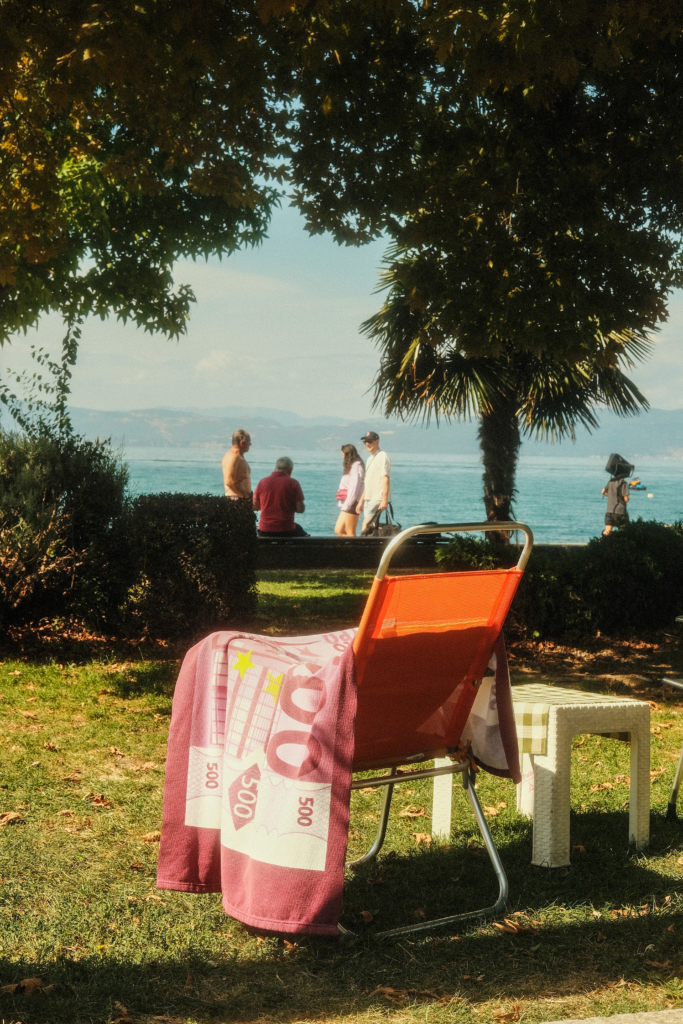
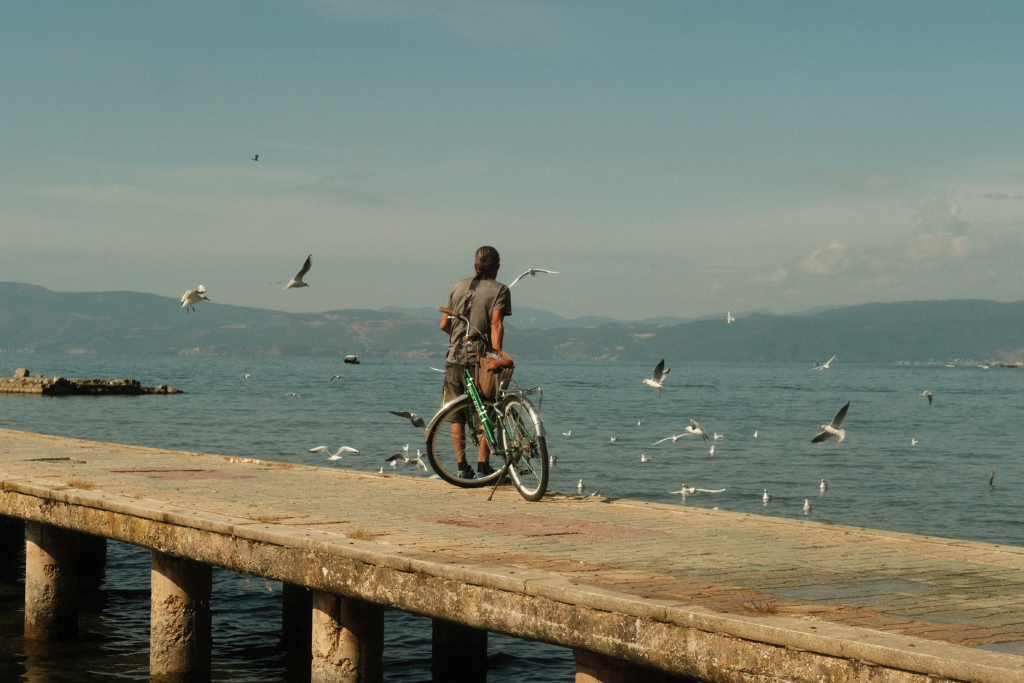
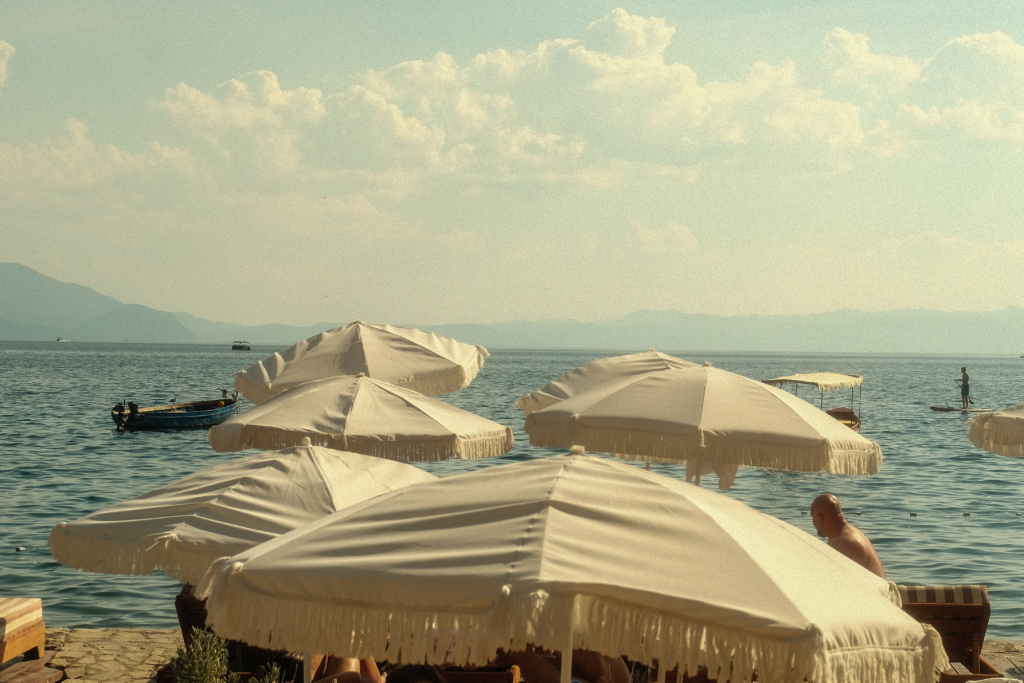
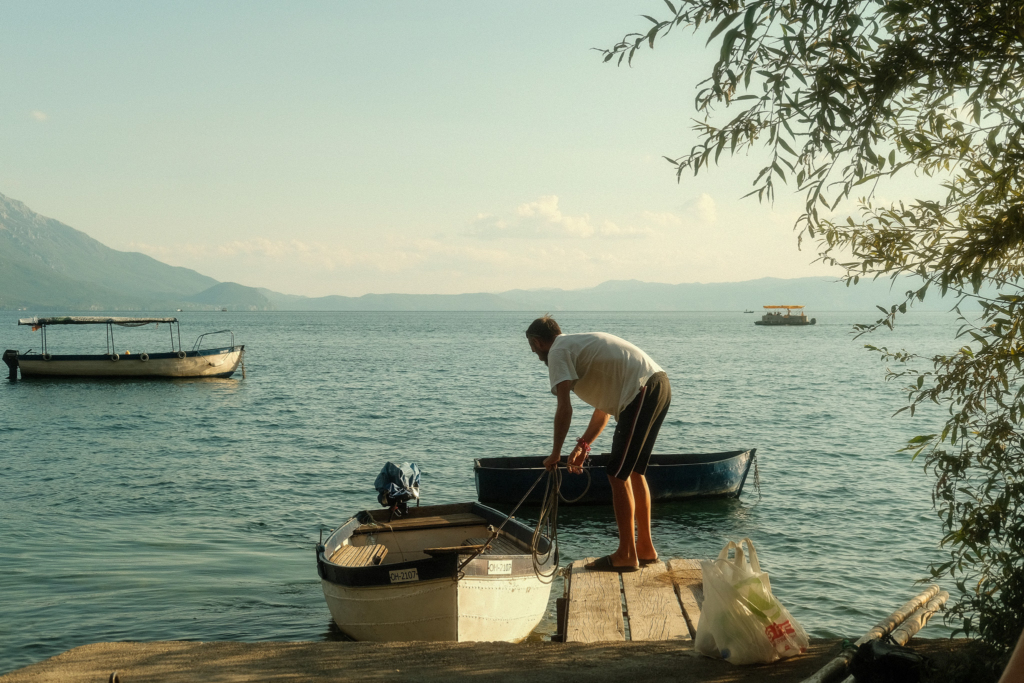
Swimming: in Ohrid you will find many beaches and places to swim almost right outside your door, which makes everything very serene. One finds not only tourists relaxing and enjoying the lake but locals as well.

Managing the D
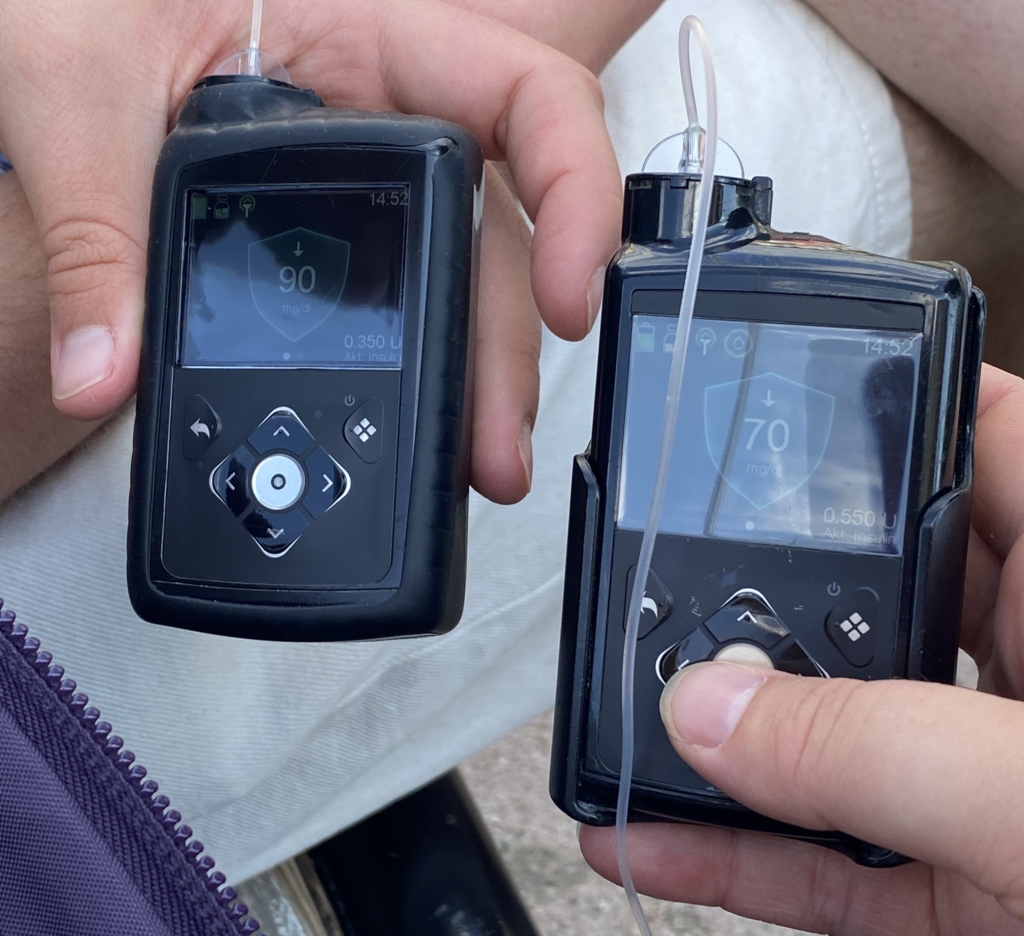
Of course, it can become a problem while travelling if both people with diabetes experience hypoglycaemia at the same time. (Image: Hypoglycaemia) You should factor in all the physical activity involved in exploring, swimming and perhaps even unplanned detours, and set the pump to Sport mode. The emphasis is on “should”, because turning on Sport mode on a pump means raising the target blood sugar level from 100 to 150 mg/dl. But for this to work correctly, you have to turn it on about 2 hours in advance.
Culture
On our last night in Ohrid, we stumbled into the Night of Museums on Tsar Samoil Street. It is a walking tour with free entry to all participating museums in Ohrid, with complimentary wine tastings and songs by a traditional group of singers who walked around. It culminated in an exhibition by local artists, who displayed their artworks in the garden of St Sofia Church.
Shady Places
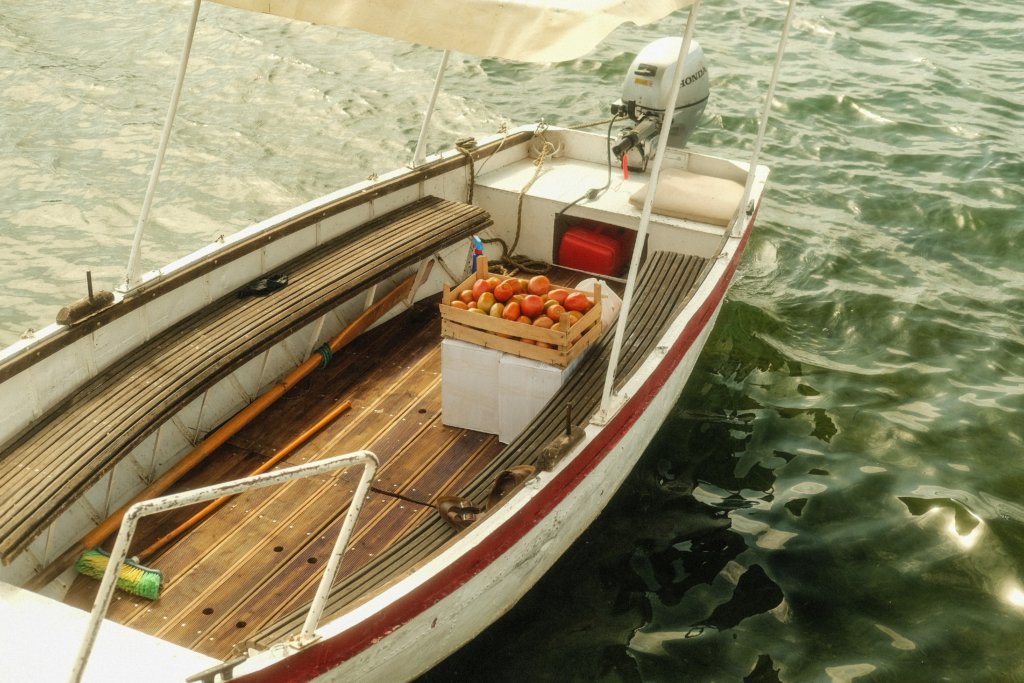
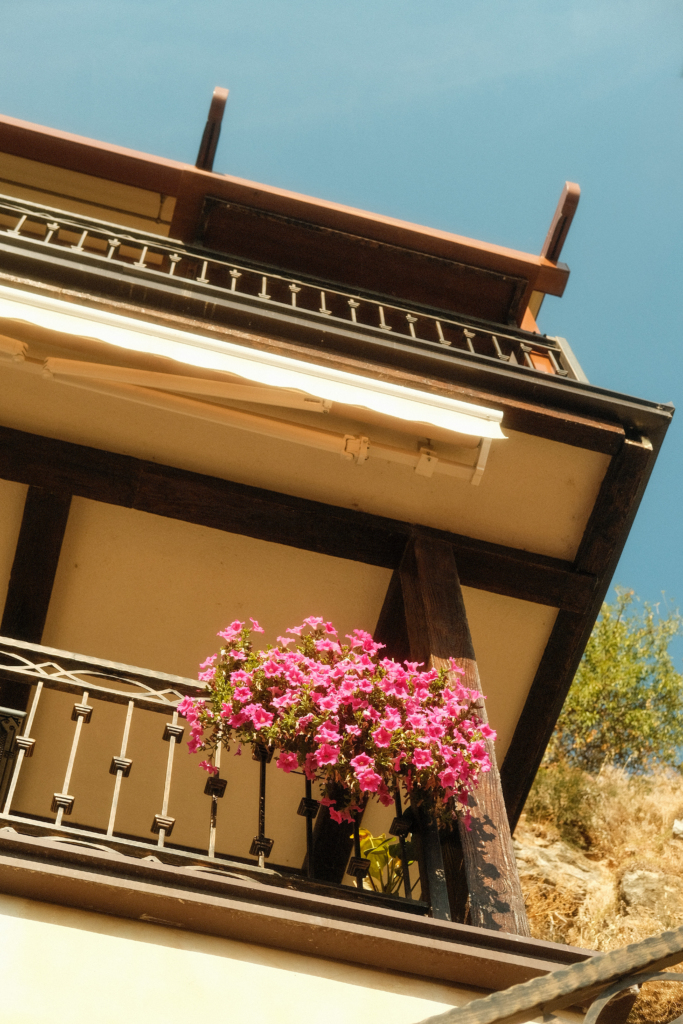
North Macedonia’s side of Lake Ohrid was declared a World Heritage Site by UNESCO in 1979, with the site being extended to also include the cultural and historic area of Ohrid in 1980. But the region is not just a World Heritage Site. It provides a livelihood for the people. It brings tourism to the region, it is of great ecological importance, and it generates income through fishing and boat tours. People rent out their homes in the Old Town, work in the hospitality industry, in restaurants and in cafés. Yet one gets the feeling that everyday life there goes on as usual. An elderly neighbour, who at first didn’t return our greetings, finally did so on our last day in Ohrid. Our driver and new friend Nomche still lives in the Old Town. Of course, the traditional architecture contributes to this in many ways. On the one hand, its design, narrow at the bottom and widening on the upper floors, allows for more living space and also provides more shade. In addition to the lower temperatures of the water, temperature regulation inside the houses is done by air-conditioning units, or AC units for short. Although they make living spaces habitable during the summer heat, the heat from inside is transported outside into the narrow alleyways. This excess heat, combined with the heat of the machinery, is trapped between tall buildings, raising pedestrian-level temperatures and thereby creating an urban heat island. Ohrid will not be the last place where we feel this happening.
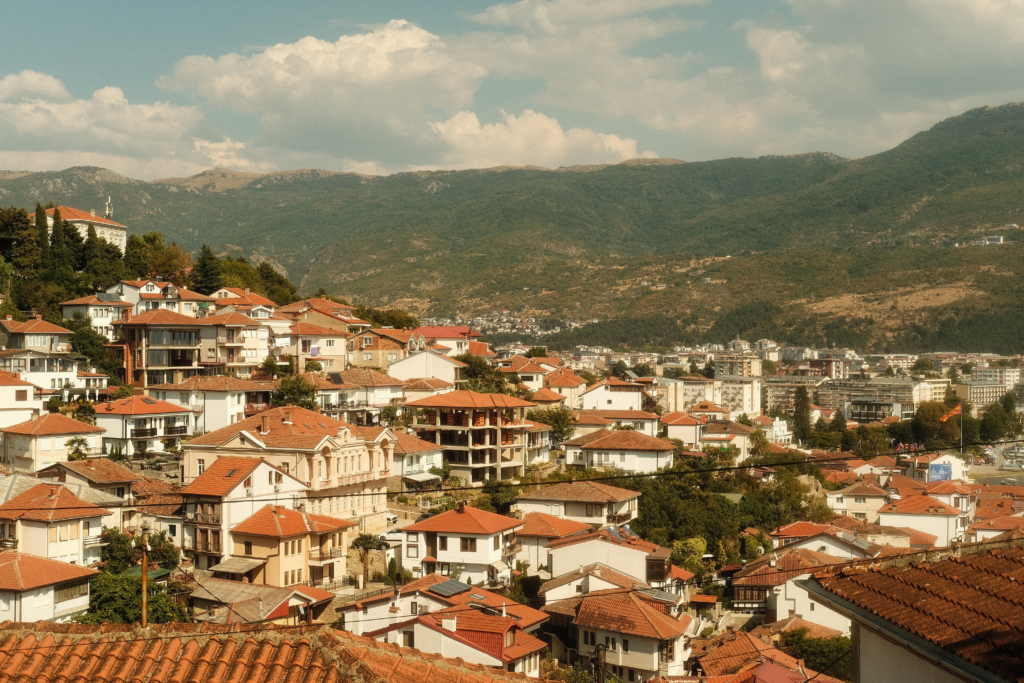
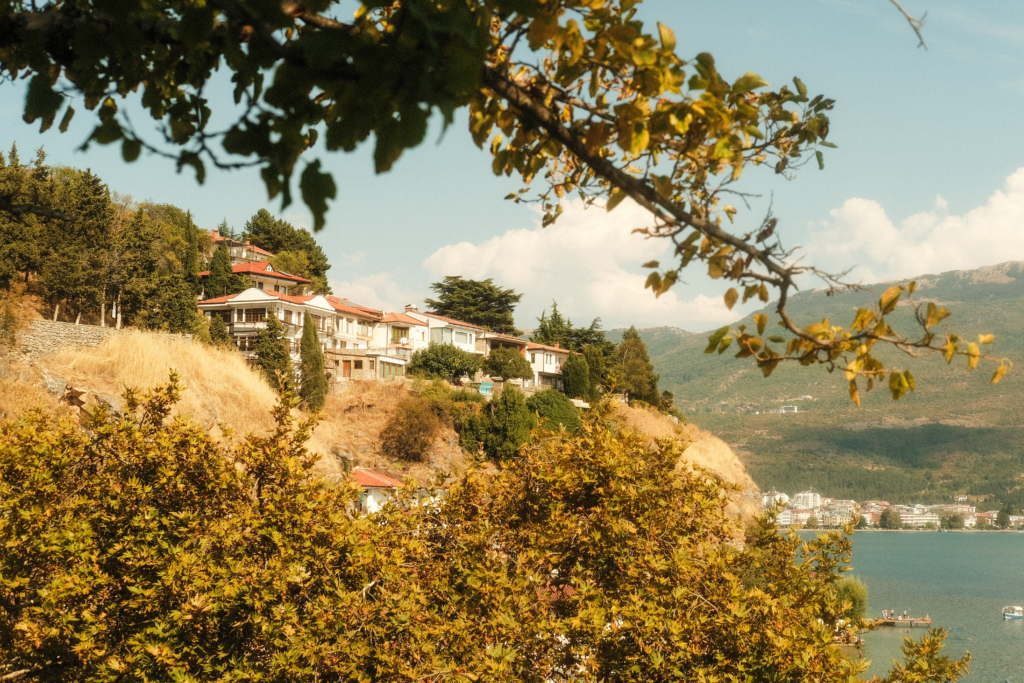
Therefore, cooling off in a historic city like Ohrid means that young children and adults jump into the water right in front of their homes. Of course, tourism always poses a risk to infrastructure and real estate prices and is generally harmful to nature if not properly managed. But as I wrote earlier: it’s a double-edged sword, since the infrastructure now depends on tourism. World Heritage sites and cities have to deal with this on a daily basis.
In Ohrid, one does not escape the sun in the shade but in the lake itself.